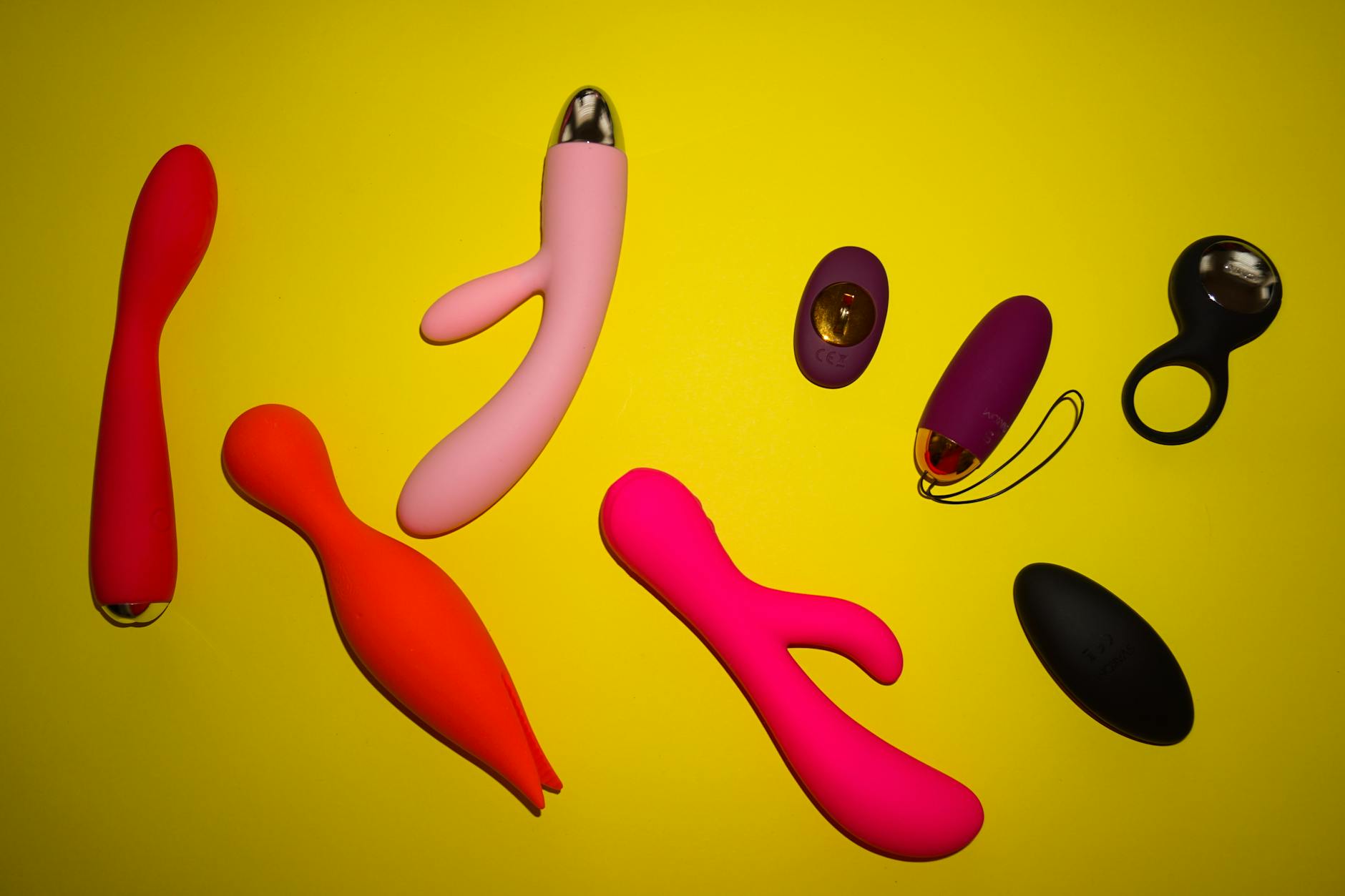
The honest truth about hormones and sensation
Your hormones don't stop your pleasure. They reshape it. And that distinction matters because most of what people say about hormonal shifts and sex falls into one of two useless camps: "everything stops working" or "nothing actually changes." Both are wrong, and neither helps you navigate what's really happening in your body.
Here's what actually occurs physiologically when hormones fluctuate, and what it means for your experience with tools like lemon vibrators.
What happens when hormones shift
When estrogen, testosterone, or progesterone levels change, your body responds in specific, measurable ways. Estrogen supports tissue thickness and natural lubrication in the vulva. Testosterone drives desire across all bodies, regardless of gender. Progesterone affects mood, sensitivity to touch, and how quickly arousal builds.
When these hormones dip, several things can occur simultaneously. Tissue becomes thinner. Natural lubrication may decrease. The pelvic floor muscles may feel tighter. Blood flow patterns change, which affects how quickly the clitoris engorges and how intense sensations feel.
But here's what does not change. The neural pathways for pleasure remain intact. The clitoral nerve density stays exactly the same. Your brain's capacity to experience orgasm never vanishes. The mechanism of arousal doesn't disappear. It just operates under different conditions.
Many of my clients report that once they understand this distinction, the frustration shifts into something more workable. You're not broken. You're working with a different set of parameters.
Why sensation might feel muted or delayed
Think of hormonal changes like adjusting the sensitivity dial on an instrument. The instrument still works. It's just calibrated differently.
When estrogen drops, the vulvar skin becomes less plump. This changes how vibrations transmit through tissue. You might notice that what once felt medium-intensity now feels either too subtle or, paradoxically, too intense on the same day. This inconsistency is completely normal and tells you something useful: your body is asking for flexibility.
There's also a cognitive piece. Hormonal shifts often arrive alongside life events. Perimenopause, for example, frequently overlaps with stress, body image shifts, relationship changes, and grief. Your brain's role in arousal is massive. When your mind is preoccupied, sensation feels duller even if your body is physically capable of receiving it. This isn't a failure. It's information.
How lemon vibrators address hormonal sensation shifts
The design of air-suction tools like the Lem reflects something important about how sensation changes with hormones. Traditional vibration relies on direct friction against tissue. When tissue is thinner or more sensitive due to hormonal fluctuations, that friction can feel harsh or even painful.
Air-suction stimulation works differently. Instead of vibrating against tissue, it gently suctions the clitoral area, creating a rhythmic pressure wave that stimulates the internal clitoral body. For people navigating hormonal changes, this means:
- You get deep, full stimulation without relying on direct, repetitive friction.
- The sensation feels broader and less localized than traditional vibration, which often works better when sensitivity is heightened.
- You can start at lower intensities and build gradually without that harsh edge.
- The pattern variations give your brain multiple sensory inputs, which can help re-engage arousal when hormonal shifts have made sensation feel flat.
This is why many people find that lemon clitoral vibrators feel different than other vibrators during hormonal transitions. You're not imagining it. The mechanism is actually better suited to how your body is responding.
Practical adjustments for hormonal transitions
Four things that make the biggest difference.
Warm-up time expands. Hormonal shifts lengthen the arousal timeline. Plan for 20-30 minutes of foreplay or solo exploration instead of 10. This isn't a problem. It's an invitation to slow down and notice more.
Lubrication becomes a tool, not a sign of failure. Water-based lube removes friction entirely, which is invaluable when tissue is thinner. Use it generously. Quality lube transforms the experience from uncomfortable to expansive.
Start lower on intensity patterns. Most lemon vibrators offer multiple patterns and intensities. Begin at pattern 1 or 2 rather than jumping to what once felt right. Your body's responsiveness has shifted, and meeting it there makes pleasure more accessible.
Rhythm variation matters more than before. When hormonal changes flatten sensation, varying stimulation patterns wakes up your nervous system. Try moving between patterns every 30-60 seconds rather than staying on one. Your clitoris will thank you.
The mental piece: separating hormones from context
Here's where most people get stuck. Hormonal changes arrive alongside other life shifts. A shift in arousal timing can signal hormonal change. But it can also signal stress, relationship distance, body image concerns, or plain exhaustion.
Confusing the two creates a dead end. "My libido dropped because of hormones" is true and incomplete. So is "My libido dropped because we're disconnected." Often, both are true, and they need different conversations and solutions.
If you're with a partner, name the hormonal piece separately. "My body is responding differently right now" is information. "I want us to reconnect" is a different request. Tangling them makes both harder to solve.
When sensitivity becomes pain
There's a line between hormonal sensitivity shifts and pain that signals a problem. If direct clitoral stimulation causes discomfort or stinging, or if penetration has become painful, get evaluated by a menopause-trained gynecologist or healthcare provider. Conditions like genitourinary syndrome (tissue thinning that creates pain) are common, treatable, and responsive to topical estrogen or other interventions.
This isn't something to manage around forever. It's something to address. A few weeks of topical treatment can transform the experience entirely.
Rebuild the conversation with your body
Hormonal transitions invite you to stop assuming you know what your body wants and instead ask it directly. This is actually a gift, even though it feels like friction at first.
If you're solo, this might mean experimenting with your lemon vibrator at different times of day, with different patterns, with different amounts of warm-up. If you're with a partner, it might mean longer foreplay, more explicit communication, or reclaiming solo exploration time so you know what feels good before inviting them in.
Your pleasure hasn't ended. It's asking you to pay closer attention to how it works now. That's not a loss. That's an evolution.
People also ask
How long does it take for sensation to adjust after a hormonal change?
Sensation typically stabilizes within 2-4 weeks as your body adapts to new hormone levels. However, the mental adjustment often takes longer. Give yourself permission for a 6-8 week exploration period before deciding whether something isn't working. Your clitoris is incredibly adaptive. What feels awkward now often becomes comfortable with repetition and attention.
Can I use the same lemon vibrator intensity I used before hormonal changes?
Most people find they need to lower intensity initially, then gradually work back up as their body recalibrates. Think of it as recalibrating rather than downgrading. You're not losing capacity. You're matching the tool to current sensitivity. Many people discover they prefer lower intensities long-term because they notice more nuance and have better control over their arousal.
Does hormonal birth control affect sensation the same way as natural hormonal shifts?
No, but it does affect sensation. Hormonal birth control stabilizes hormones at lower levels than your natural cycle, which can reduce overall genital sensitivity and desire. Some people adapt quickly. Others find that switching methods or timing changes differently helps. If you suspect birth control is dulling sensation, discuss alternatives with your provider rather than powering through.
Should I use more lube if hormonal changes have reduced natural lubrication?
Yes. Lube isn't a band-aid. It's a tool that restores comfort and pleasure. Use high-quality, body-safe, water-based lube generously. Reapply during longer sessions. Many people find that lube actually enhances sensation because it removes the distraction of friction, allowing them to feel more nuance in the stimulation.
Is it normal for my lemon clitoral vibrator to feel uncomfortable during certain parts of my cycle?
Completely. Sensitivity fluctuates with hormone levels, even on birth control, because your body has underlying rhythms. You might feel most receptive to direct stimulation mid-cycle and prefer gentler, broader stimulation the week before your period. Learning these patterns is valuable information. Adjust intensity and pattern accordingly rather than forcing consistency.
Can I rebuild sensation if hormonal changes have made everything feel numb?
Yes, but it takes intentional practice. Sensitivity returns through regular, varied stimulation that gently challenges your nervous system. Use your lemon vibrator in short sessions focusing on pattern variation rather than chasing intensity. The goal isn't orgasm. It's noticing. Over weeks, sensation typically recalibrates. If numbness persists beyond 8 weeks, consider a medical evaluation.
The bottom line
Hormonal changes are real, measurable, and entirely navigable. Your body hasn't failed. It's evolved. Tools like lemon clitoral vibrators work brilliantly during these transitions because they're designed for sensation shifts, not despite them.
The key is treating hormonal changes as information, not as a stopping point. What's your body telling you right now? What does pleasure look like under these new conditions? How do you want to meet yourself there?
If you'd like to explore how to navigate intimacy during hormonal transitions more deeply, I'm here to help. Reach out at any time.
This article is informational and not a substitute for medical advice. If you experience persistent pain, numbness, or significant changes in sexual function, consult a healthcare provider trained in sexual medicine or menopause care.